
"For most of my career, I feel like I've been fighting to maintain and strengthen the kind of social investment that I benefited from and would like to share with others.”
—Ken Stephens, endorsed candidate for Ulster County Legislature
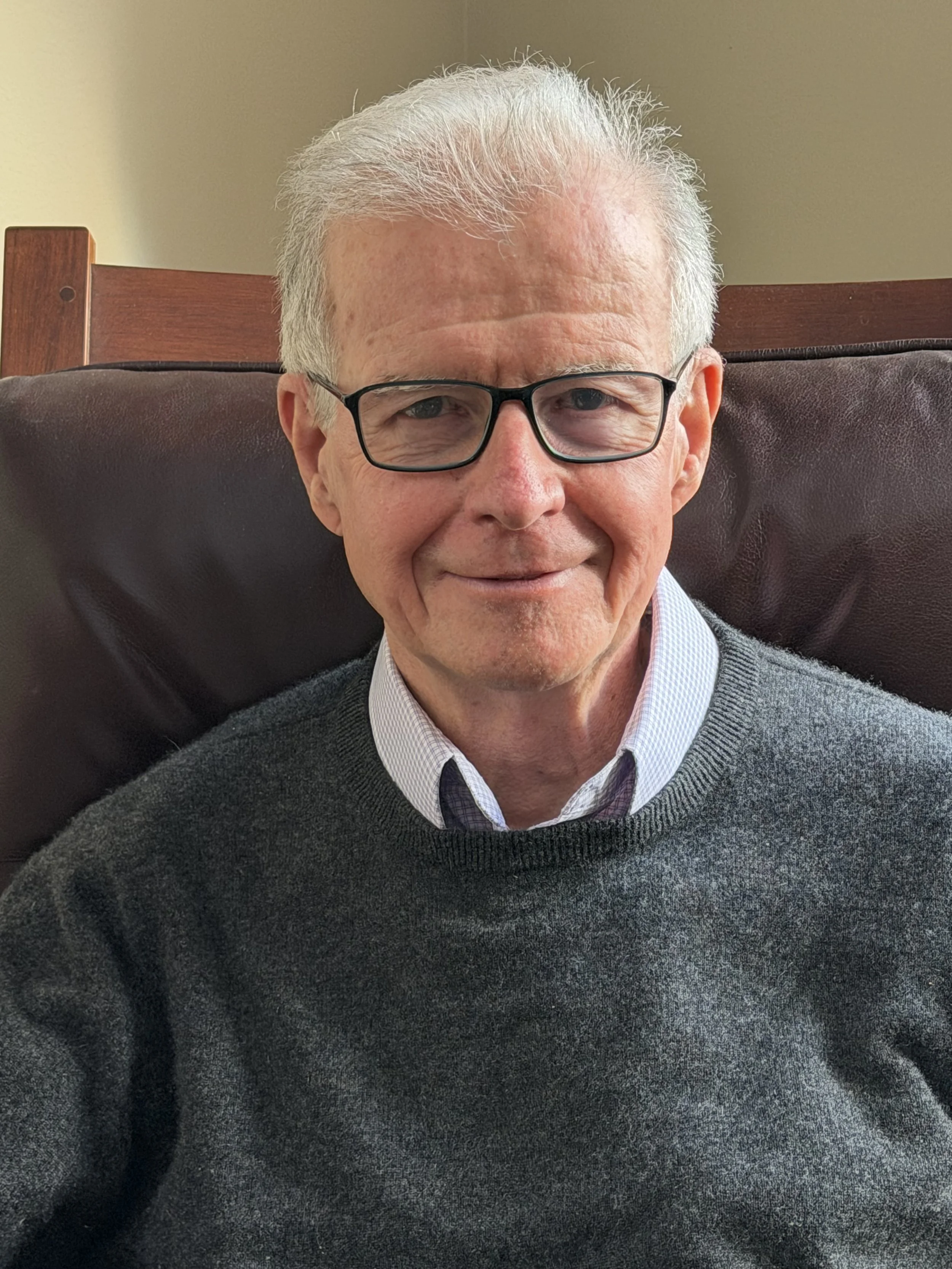
Interview with Ken Stephens by Claire Wasserman
What brought you to this area?
I came to Ulster County in 1971 as an undergrad at SUNY New Paltz. At the time, New Paltz had a reputation for being very progressive, and I loved the area. I was originally from Brooklyn and Queens, and I became very interested in having a lifestyle in a more rural setting. SUNY New Paltz was affordable, which was very important to me, as my family is from a working-class background. Going to state college made a big difference in my life. At New Paltz, I studied journalism and that eventually brought me into working in the nonprofit sector for community-based organizations, focusing on food and nutrition issues for regional community development, part of the war on poverty, and that also eventually got me into the political arena.
What made you decide to run for county legislator?
Two things. First, it was an open slot, as our current legislator, Chris Hewitt, had decided to try and move on up to the state senate. When I got a call and was asked if I'd be interested, I said I most certainly would be. I'm mostly retired from lawyering. I do a little bit of part-time work, but I've had time over the last five years since I left the Legal Aid Society, for volunteering both on the Zoning Board of Appeals and the Town's Housing Advisory Committee, and I saw this as an opportunity to continue servicing, giving back to the community with skills that I've accumulated over my professional and personal careers.
What else do you bring to the role of county legislator?
As a lawyer, I worked mostly on behalf of low-income families facing problems with housing, food, and healthcare. Our clients tended to be very low-income people who were struggling to make ends meet. And in our county, 26% of our county receives Medicaid, and another almost 10% depend on food stamps. So this is one aspect of the work that is facing a challenge. And I thought, in this coming year, two years, I might be able to contribute, given some of my subject area expertise, as well as my general familiarity with the ways in which the programs operate. One aspect of the so-called big, beautiful--or shall we say, ugly–bill is a severe cutback in the amount of funding that local governments like Ulster County’s are likely to receive to administer programs like SNAP. The counties in New York are expecting to see an impact of over 170 million dollars collectively, and this is what happens when you have an administration that is totally uncaring, despite whatever rhetoric they might try and use about people who need help and deserve help. Ultimately they want to take the resources from local governments, from state governments, and force those governments to either raise taxes or cut services, particularly in a state like ours, where we tend to be on the more generous side of benefits. To use words my computer friends would say, “It's not a system bug that local governments are going to face these crises. It's a feature.” In other words, they want to attack the foundations of democratic, with a small D, rule because they don't believe in government and they don't believe that supporting people is something that should be done.
What are the biggest issues facing this area that you're hoping to represent?
In broad strokes, affordability is the number one issue, touching on everything from housing, energy and utility costs, to food and healthcare. The prospect of losing healthcare and having it limited is frightening for many families. I read that 50% of the people who are renters in the county are facing a crisis situation in which 50% of their income is going to pay the rent, basically. For homeowners, it's not quite as high, but it's also a high number in our local area. One of the contributing factors is, of course, the influx of people with somewhat more income, which helps to stimulate the housing costs in our area. Overall, that's something that's been happening across the board. Housing costs are going up, in part because there's not enough building going on, and there just simply isn't enough access to housing. That's one of the things we've been working on on the Town of Rochester housing advisory committee, and I'm happy to say we helped the town get a grant to begin exploring community housing to offer locally directed funding for things such as leveraging local funds for accessible, affordable housing for seniors, first-time homebuyers, and first responders. Home repairs can be very important.
Another, related issue is property taxes. Particularly in our town, it's an issue that's very front of mind for many people, and it's something that has been talked about for many years. From my perspective, we need to see a change where vital services like education, highways, and other local government needs are not totally dependent on a property tax, because in my mind it's one of the worst forms of a wealth tax. It's very hard to administer equitably, even with the best intentions. No two homes are ever alike, and the assessments involve an area of subjectivity that is really very difficult for the general population to discern. The county executive has announced a small experiment to shift some of the coming burden on the county from these federal cutbacks that can be met more with reliance on taxing very high-income individuals as opposed to a property tax, which would hit people who are living in manufactured homes, seniors living on fixed income, and others who would be very hard pressed to face any further increases in their property taxes. That's an important issue for me.
What does your campaign look like?
We're really lucky here in the Town of Rochester to have a phenomenal neighbor-to-neighbor grassroots canvassing campaign that I've participated in as a canvasser myself over the years, along with my wife, Cheryl, and it is, I think, one of the best ways in which to get real direct contact. I will be doing that again this coming season. We tend to go out multiple times to really try our best to reach people. I'm not a big fan of the lawn sign kind of campaigning, so you may not see too many, if any, “Ken Stephens for County Legislator” signs. I am going to make real attempts to have some open forums to meet people both in Rochester and in Wawarsing over the next several months, and have an open door policy. People will be able to reach me through direct emails. It's a pretty good way to get a quick response. My email is ken.ulst21@gmail.com, and I promise if I get an email, I will respond to it as long as I can reasonably tell it's not from a bot. No bots, please. And if there're any opportunities to speak to community organizations, I'm really happy to do so.
What do you especially like about living in our area??
I feel lucky and privileged to have been a full-time resident of Ulster County for nearly 50 years, with the last 40 being in the Town of Rochester, and we have an area of such great natural beauty and such fantastic human resources. Two things stand out immediately. One is the real richness of our arts community in this area. I think in the Rondout Valley we have the most writers, visual artists, and actors, and they contribute so much to the cultural vibrancy and make this place so desirable to live in. It's not too much of a surprise for me that during the pandemic, more and more people found our area. In fact, since I used to commute to New York City for about 20 years, I was always surprised at how still relatively–and I mean relatively–undiscovered we were. I'm hoping that in the coming years we can maintain a balance of both this beautiful environment as well as a welcoming community, including an ability to have more homes in our area, so that we can accept more people to share this wonderful lifestyle and not have it limited solely to those who can afford million-dollar homes.
In addition to having a community of, as I mentioned, talented artists, the other thing that's really impressed me about our county, including our town, is the energy and level of volunteerism we see across the board from local town activities like the environmental commission to more socially directed volunteer activities. In particular, here I'm thinking of the energy that goes into supporting the food pantry, both in our town and other places in the county, and things such as the defense of immigrants' rights, which in our county I believe is, if not unprecedented, certainly at the top level of individuals who are recognizing that people who come to the United States from other countries facing a lot of difficulties, challenges, and outright threats to their safety deserved a more welcoming environment, and we have dozens, if not more than 100, volunteers across organizations who every day are taking time out of their lives to reach out to these neighbors of ours to do everything possible to keep them safe and protected, and if possible, fed and housed.
Is there anything else that you want to share?
Just one last thing on my background that motivates me. I was a beneficiary of the country's safety net when I was a child, and my father died young. My mother had two young kids. She depended on Social Security benefits to help raise us. Later on, I was able to go to, as I said, a public college, State University of New York, and I went to law school at the City University of New York, which was started solely for the purpose of creating public interest lawyers, and so most of my career, I feel like I've been fighting to maintain and strengthen the kind of social investment that I benefited from and would like to share with others.
About Ken
As a lawyer, volunteer and community organizer Ken Stephens has helped working families, seniors, and people with disabilities. He has fought both government policies and corporate interests that make housing, health care and food less accessible. Ken has long supported conservation and renewable energy and opposed Central Hudson rate increases. He volunteers on the Town Zoning Board of Appeals and Housing Advisory Group and also served on the County’s Human Rights Commission. He has fought against discrimination of all types, and for marriage equality and expanded access to health care. Ken and his wife have lived in Accord for forty years; their daughters are proud graduates of Rondout Valley High School.
As a County Legislator Ken will strongly advocate for property tax reform, drive meaningful progress in environmental conservation and renewable energy initiatives, and contribute to the creation of enduring organizations and networks that promote economic opportunity, justice and equality.